






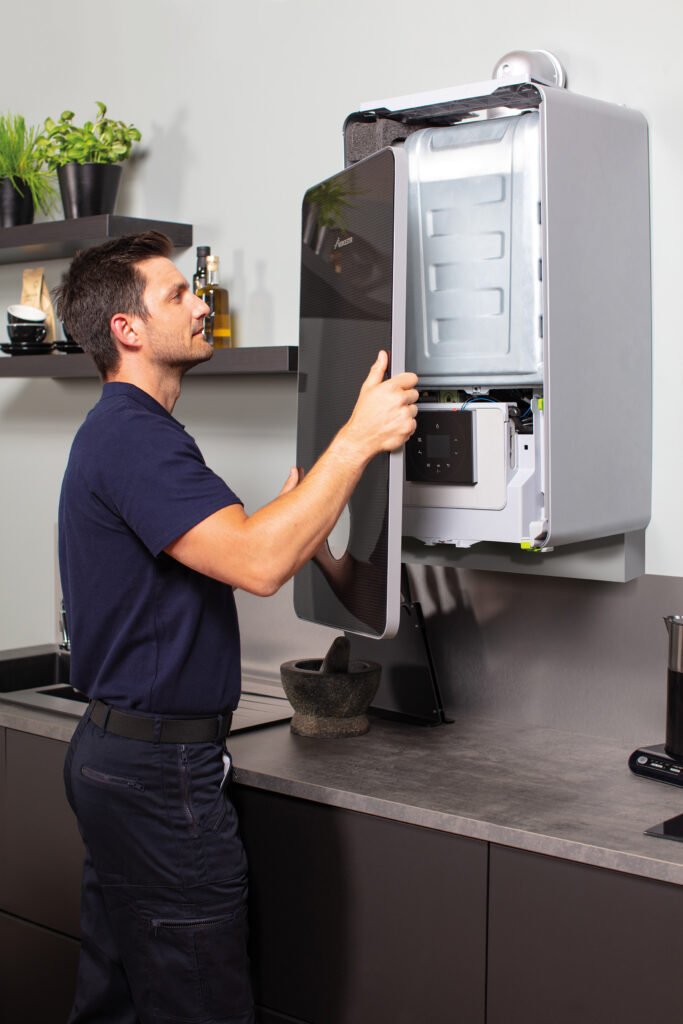
Recognising when you require a boiler service versus a heating repair is vital. Boiler servicing, akin to a car’s MOT, is an annual check-up for safety, efficiency, and performance, including replacing specified parts as instructed by the manufacturer. Mainly, a boiler service is preventive, catching issues before a complete failure, the annual MOT for your boiler!
Boiler repairs, however, are needed when a breakdown occurs and your boiler stops producing heating or hot water. A standard boiler service doesn’t cover repairs, but if something has gone wrong, get in touch and our engineers will take a look.
Keep your warranty in place with the Boiler Safety & Performance Inspection (Boilers with Warranty / Guarantee)
An annual service keeps your boiler running safely and efficiently, helps you avoid breakdowns on cold nights and keeps your manufacturer’s warranty valid. Our Gas Safe registered engineers service boilers across Kirkcaldy and Fife, and we’ll let you know straight away if anything needs attention.
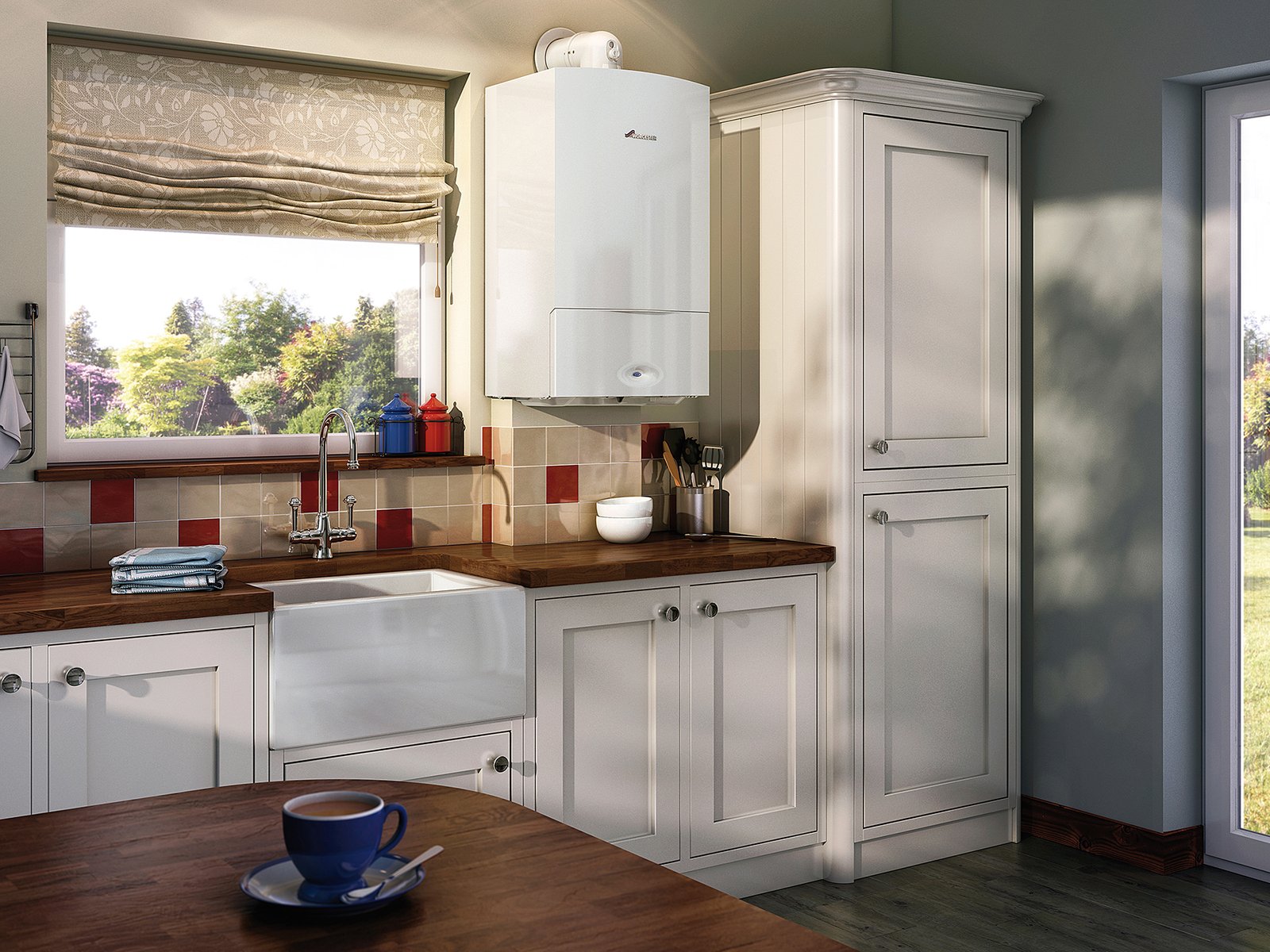
Safety & performance testing extending your boilers lifespan
Answers to the questions we’re asked most about boiler servicing.
Air Source Heat Pumps (ASHPs) are a great energy-saving solution for your home. They pull heat from the outside air, even in cold weather, and bring it indoors to keep your space warm and cosy. They work efficiently in temperatures as low as -15°C, making them ideal for the UK’s chilly winters.
One of the big advantages of ASHPs is their efficiency. For every unit of electricity they use, they can generate up to three or four times that amount in heat. So not only will you stay warm, but you’ll also see savings on your energy bills.
To get the most out of an ASHP, it’s important that it’s installed correctly and that your home is well insulated. This ensures the system runs at its best, keeping you comfortable all year round.
The cost of running a heat pump depends on a few things, like the type of system, the size of your home, and local electricity rates. In general, Air Source Heat Pumps (ASHPs) are cheaper to install but might cost a little more to run than Ground Source Heat Pumps (GSHPs), especially when it’s really cold, as ASHPs have to work harder.
On average, you can expect an ASHP to cost between £500 to £1,000 per year to run, while a GSHP may cost between £400 to £700 per year, thanks to their higher efficiency. That said, both options can lead to big savings on your energy bills compared to traditional gas or oil heating, particularly if your home is well insulated.
The running costs are also influenced by the coefficient of performance (COP), which measures how efficiently your heat pump converts electricity into heat. The better the insulation and the more efficient the system, the more you’ll save in the long run.
When it comes to heat pumps, the main difference between Air Source Heat Pumps (ASHP) and Ground Source Heat Pumps (GSHP) is where they draw their heat from.
Air Source Heat Pumps grab heat from the air outside—even when it’s chilly—and use it to warm your home and water. They’re generally easier and cheaper to install, making them a popular choice. However, they can be a bit less efficient during those freezing winter days.
Ground Source Heat Pumps, on the other hand, pull heat from the ground through pipes buried underground. These systems are more efficient, especially in colder weather, but they need more space and can cost a bit more to install due to the digging involved.
Both are eco-friendly alternatives to traditional heating, helping you reduce your carbon footprint while keeping your home toasty.
When it comes to heating your home, there are some key differences between Air Source Heat Pumps (ASHPs) and traditional boilers.
Heat Generation: An ASHP pulls heat from the air outside—even when it’s cold—and transfers it into your home. Boilers, whether gas or oil, burn fuel to produce heat directly.
Efficiency: ASHPs are more efficient, often producing 3-4 units of heat for every unit of electricity used. Boilers, especially older ones, aren’t as efficient, converting less fuel into heat.
Running Costs: With proper insulation, ASHPs tend to be cheaper to run, whereas boilers come with higher fuel costs, depending on gas or oil prices.
Environmental Impact: ASHPs are the greener option, especially when powered by renewable energy, as they significantly reduce carbon emissions. Boilers, on the other hand, emit more CO₂, particularly those running on fossil fuels.
In short, ASHPs are a more eco-friendly and cost-effective choice in the long run, though they have higher upfront installation costs. Boilers are cheaper to install but will cost more to run over time, and they aren’t as environmentally friendly.
When choosing a heat pump, the key difference between air-to-water and air-to-air heat pumps is how they warm your home.
Air-to-Water Heat Pumps: These systems take heat from the air outside and transfer it into water, which is then used to heat your home through radiators or underfloor heating. They also provide hot water for your taps. If you already have a water-based central heating system, this is a great option. Plus, they work well in colder weather with the right insulation.
Air-to-Air Heat Pumps: Instead of using water, these units transfer heat directly from the outside air into warm air inside your home. They are ideal for homes without radiators and typically distribute heat through fans or ducts. As a bonus, they can also cool your home in the summer by reversing the process.
Efficiency and Cost: Both options are energy efficient. Air-to-water systems are more versatile since they handle both heating and hot water, while air-to-air systems are simpler and cheaper to install but only provide heating (or cooling in summer).
In short, if you need both heating and hot water, an air-to-water system is your best bet. For straightforward heating or cooling, an air-to-air system is a good, cost-effective choice.
Heat pumps, especially Air Source Heat Pumps (ASHPs), do create some noise, mainly from the external unit where the fan and compressor are located. On average, the noise is around 40 to 60 decibels—similar to the sound of a modern fridge or light rain. The exact noise level depends on the model, how it’s installed, and where it’s placed.
While you may notice it when standing close to the unit, modern ASHPs are designed to be quieter. Many are installed away from bedrooms or living areas to minimise any disturbance. On the other hand, Ground Source Heat Pumps (GSHPs) are generally much quieter because most of the equipment is underground or indoors.
To reduce any potential noise, it’s important to ensure the heat pump is installed in the right spot—away from windows or sensitive areas. Plus, all heat pumps must meet noise regulations, so you won’t have to worry about them being a nuisance in residential areas.
Lorem ipsum dolor sit amet, consectetur adipiscing elit. Ut elit tellus, luctus nec ullamcorper mattis, pulvinar dapibus leo.
Maecenas id letius tristique est tempus felis magnis primis eros
To lead the transition to a sustainable future by harnessing the power of renewable energy and advancing eco-friendly practices, making clean energy accessible to all
Maecenas id letius tristique est tempus felis magnis primis eros
Empower individuals and businesses with reliable and affordable renewable energy solutions. Drive innovation in clean energy technologies for a greener planet.
Maecenas id letius tristique est tempus felis magnis primis eros
Educate and inspire communities to embrace sustainability and reduce their carbon footprint.